

The word “Ketchum” is one of those rare terms that crosses boundaries appearing in history books, on global TV screens, in family records, and in modern digital slang. Whether someone first heard it as the surname of a neighbor, the name of a small American town, or the iconic hero Ash Ketchum from Pokémon, the word carries layers of meaning that have grown over centuries.
In 2025, “Ketchum” stands not just as a name but as a cultural symbol representing pursuit, ambition, determination, and the spirit of “catching” one’s dreams. This comprehensive explanation dives into every angle of the word, from its ancient linguistic roots to its new-age popularity.
Definition & Meaning
At its simplest, Ketchum is best recognized as an English surname that originally described someone skilled in catching, seizing, or capturing. Linguistically, the word relates to the idea of pursuit whether that pursuit involves hunting, learning, exploring, or achieving.
Over generations, however, its meaning expanded into cultural and symbolic territory. Today, “Ketchum” suggests a mindset: someone who keeps going, keeps trying, and keeps pushing toward their goals. This dual nature literal and metaphorical is what makes the word so intriguing.
Background & History
The historical journey of the word dates back several centuries. Early records from medieval England show variations of the name in different regions, especially in coastal or wooded areas where occupations related to trapping or fishing were common.
When English families began migrating to North America, the name traveled with them and gradually evolved into both Ketchum and Ketcham depending on dialect and spelling habits. By the 17th and 18th centuries, the surname appeared in American census records, military documents, and community archives, firmly rooting itself in early colonial history.
Also read: White Heart Emoji Meaning: What Really Says in a Message
Usage in Various Contexts
One of the most fascinating aspects of “Ketchum” is how versatile it is across contexts. As a surname, it has been carried by soldiers, inventors, actors, athletes, and fictional characters. As a geographical name, it has become associated with scenic mountain towns and regions rich in history.
In pop culture, it has achieved global recognition thanks to Pokémon. In language, it is used metaphorically to describe ambition or determination. Few words work seamlessly across genealogy, geography, pop culture, and online slang but “Ketchum” does.
Common Misconceptions & Clarifications
A common misconception is that the term “Ketchum” originated from the playful phrase “catch ’em,” popularized by the Pokémon franchise. While the pun is clever, the surname existed centuries before Pikachu ever sparked a thunderbolt.
Another misconception is that every mention of “Ketchum” refers to the cartoon character Ash, which is far from true. The name appears in historical, military, and geographic contexts completely unrelated to entertainment. “Ketchum” is an old English name with deep roots not a modern invention.
The Many Faces of the Word Ketchum
The meaning of “Ketchum” depends heavily on where and how it appears. In one context, it may represent a family lineage; in another, a mountain city in Idaho. To millions of fans, it symbolizes childhood and adventure through Ash Ketchum. To historians, it represents innovation through William F. Ketchum. This diversity makes the word feel timeless—always transforming, always carrying new life while keeping its heritage intact.
Etymological Roots: Where the Name “Ketchum” Comes From
Etymologically, the name traces back to Middle English variations of the word “kecchen” or “ketchen”, which itself came from Old North French “cachier” to chase, catch, or pursue. Language during the Middle Ages shifted rapidly across regions, leading to forms like “ketche,” “ketchem,” and eventually “Ketchum.” The evolution of the name reflects both speech patterns and cultural influences of the time, highlighting the fluid nature of language.
The Connection Between “Catch” and “Ketchum”
The link between catch and Ketchum is more than visual it is linguistic and conceptual. Both share the core idea of seizing or pursuing something. This relationship played a major role in shaping the modern symbolic meaning of the surname. When people describe someone as having “Ketchum energy,” they’re referencing the inner spark that fuels pursuit, effort, and progress. This deeper connection is one reason the name resonates strongly in motivational and creative circles today.
Old English Clues: From cæcc to Modern Usage
Digging further into linguistic history brings us to the Old English term cæcc, meaning “to seize or capture.” Over centuries, pronunciation changed, dialects merged, and foreign influences especially French reshaped spelling conventions. These phonetic shifts eventually transformed cæcc into catch, and created parallel regional variants like ketch and ketchum. Names like Ketchum preserve these older language patterns in a living, modern form.
Surname Origins: How “Ketchum” Became a Family Name
During medieval times, surnames were often assigned based on personality traits, occupations, or notable characteristics. A person known for speed, agility, or skill in hunting or trapping could easily have been labeled “Ketchum.” Over generations, the name transitioned from a descriptive nickname into a hereditary surname. This type of surname based on ability or behavior was extremely common in medieval England.
Locational Roots: Villages, Settlements, and Ancestry
Although no major medieval village named Ketchum is documented, regional dialects could easily have given rise to smaller hamlet names or farmsteads with variations like Ketcham or Ketchem. When English settlers traveled to the Americas, they often named towns or regions based on surnames or influential families. This contributed to the development of modern locations such as Ketchum, Idaho, where the name became permanently attached to local history.
Occupational Meaning: Fishing, Hunting, and Skilled Roles
Many English surnames emerged from occupations Miller, Baker, Fisher, Hunter, and more. In that tradition, Ketchum likely described someone whose livelihood required catching, trapping, or harvesting. This could include trappers, fishermen, hunters, shepherds, or even farmers who dealt with wildlife. Over time, the occupational meaning faded, but the symbolism of skill and determination persisted.
Variants and Relatives: The Case of “Ketcham”
The name Ketcham is nearly identical to Ketchum, differing only because of regional spelling preferences. Both versions originated from the same linguistic and cultural roots. When immigrants settled across the United States, spelling variations naturally emerged due to accents, handwriting differences, and evolving language conventions. Today, both surnames coexist and appear frequently in genealogy records.
Ketchum, Idaho: A City with a Trapper’s Legacy
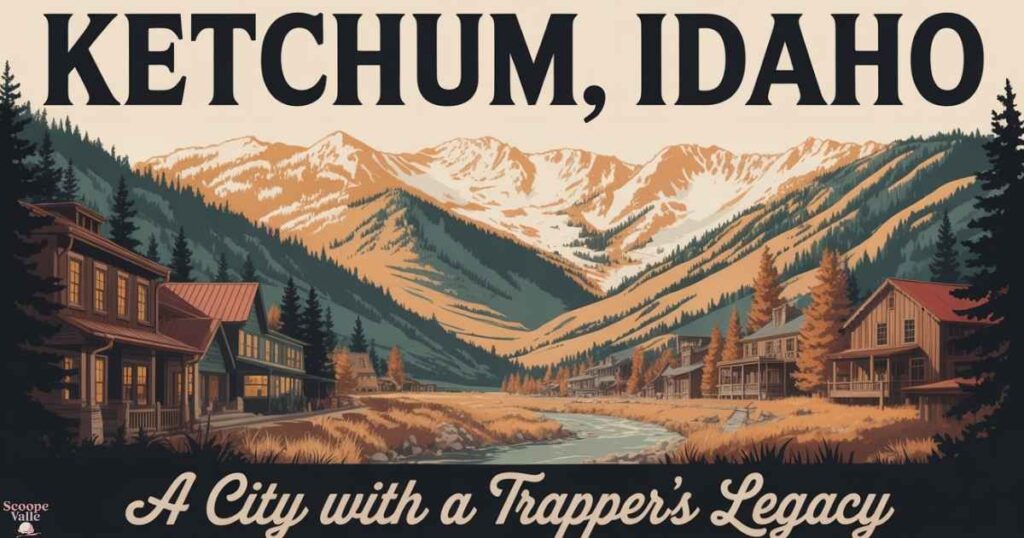
Located in the mountains of Idaho, the city of Ketchum is named in honor of David Ketchum, a trapper and pioneer who explored the region in the 1800s. The town grew during the mining boom and eventually transformed into an artistic and outdoor recreation hotspot. Today, Ketchum is known for its rugged charm, vibrant culture, and proximity to the famous Sun Valley ski resort. The name of the city preserves a slice of American frontier history.
Ash Ketchum: The Pokémon Protagonist Who Shaped Generations
For millions around the world, the name Ketchum is instantly linked to Ash Ketchum, the iconic hero of the Pokémon series. Ash’s mission “to catch ’em all” mirrors the linguistic roots of his surname, creating a memorable connection that shaped pop culture for decades. His determination, courage, and never-give-up attitude helped redefine the symbolic meaning of Ketchum turning it into a global representation of ambition and youthful courage.
Global Cultural Impact of the Ketchum Catchphrase
The catchphrase “Gotta Catch ’Em All!” became a worldwide phenomenon. It was more than marketing it became a mantra for kids growing up with Pokémon. As the franchise expanded into games, movies, cards, and online communities, the name Ketchum gained new layers of meaning. It became synonymous with exploration, progress, and collecting achievements not just Pokémon.
The Civil War Story: William F. Ketchum and His Grenades
Another notable figure in history is William F. Ketchum, known for designing the Ketchum grenade during the Civil War. These early grenades reflected innovation and mechanical experimentation during a turbulent era. His inventions provide a reminder that the name Ketchum also has a place in American military and scientific history far removed from the world of fictional creatures.
Language in Motion: Words as Cultural Mirrors
Words like “Ketchum” show how language evolves as society changes. A surname once tied to physical skills transformed into a cultural symbol through media, storytelling, and the internet. As language adapts to new generations, meanings shift and expand. “Ketchum” is a perfect example of how old words gain new relevance, depending on how people use them.
Modern Usage of “Ketchum” in Digital Communities
In online conversations, people use terms like “Ketchum mindset” or “Ketchum energy” to describe commitment, motivation, and determination. Whether in gaming forums, creative spaces, or productivity communities, the name has become shorthand for someone who’s going after goals with focus and passion. This modern use blends pop culture with personal development.
Slang and Informal Shades: Chasing, Pursuing, Going “All In”
Informally, calling someone “Ketchum-like” or saying they’re “in full Ketchum mode” implies that they’re going after something with intensity. This slang reflects admiration and excitement. It’s often used in gaming, content creation, sports, and social media challenges where effort and persistence are celebrated.
“Ketchum-Like” Energy: Metaphors of Passion and Determination

“Ketchum-like energy” symbolizes enthusiasm that doesn’t fade easily. It’s the kind of energy people associate with someone who’s hungry for improvement an athlete training, a student studying, an entrepreneur building something new. The metaphor paints Ketchum as an identity of action rather than just a name.
Formal vs Casual Contexts: Choosing the Right Phrase
While Ketchum is perfectly appropriate in formal settings when referring to a surname, location, or historical figure, its metaphorical use is more casual. In professional communication, it’s best reserved for creative or informal environments. However, as a family name, business name, or academic reference, it remains fully suitable.
The Cultural Shift in Language: Digital, Relatable, and Expressive
Modern communication thrives on symbolic language, memes, and cultural references. “Ketchum”—once a traditional English surname—has adapted to this new environment remarkably well. Because it carries both heritage and pop-culture energy, it fits naturally into conversations about goals, creativity, or ambition.
Communicating Authentically: Writers, Influencers, Entrepreneurs
Writers and influencers often use terms like “Ketchum mentality” to describe consistency, discipline, or hustle. Entrepreneurs reference it when talking about perseverance during projects. Its motivational undertone makes it a popular word among creators who prioritize authenticity and impact.
The Future of “Ketchum”: Updated Meaning for 2025–2026
Looking ahead, the word is expected to continue evolving. With digital culture expanding rapidly and nostalgia becoming a major trend, “Ketchum” will likely gain even more symbolic usage. By 2025–2026, it represents heritage + ambition, a blend of old roots and new meaning. It’s becoming a timeless metaphor for resilience and aspiration.
Similar Terms & Alternatives
Words related to the meaning of Ketchum include:
- Chase
- Pursue
- Strive
- Capture
- Achieve
- Hunt
- Grasp
These alternatives echo the core themes of effort, action, and ambition.
How to Respond to This Term
If someone uses “Ketchum energy” or references Ketchum metaphorically, a positive or enthusiastic response is appropriate. It often signals momentum, motivation, or excitement. Responding with encouragement keeps the tone uplifting.
Regional or Cultural Differences
In the United States, many associate the name with either the town in Idaho or the Pokémon character. In England, it may sound like a traditional surname. In other regions, the name may simply be unfamiliar. Cultural exposure greatly influences interpretation.
Comparison with Similar Terms
Compared to words like “hunter,” “pursuer,” or “go-getter,” the term “Ketchum” feels more personalized because it originated as a name, not an action. This gives it a human quality that makes it easy to identify with.
Usage in Online Communities & Dating Apps
On dating apps or social platforms, saying “I’ve got Ketchum energy today” usually implies ambition, confidence, and passion. It signals a fun, motivated personality traits that attract positive attention online.
Hidden or Offensive Meanings
The reassuring part is that “Ketchum” carries no offensive, negative, or harmful meanings. It remains a neutral-to-positive term across cultures and contexts.
Suitability for Professional Communication
As a surname or place name, Ketchum is fully professional. As a metaphor, it fits informal or semi-formal environments. Its positive and harmless nature makes it widely acceptable.
FAQ’s
What does “Ketchum” literally mean?
It literally relates to catching, seizing, or pursuing something.
Is “Ketchum” a real surname?
Yes, it is an authentic English surname recorded for centuries.
Who is the most famous “Ketchum”?
Ash Ketchum from Pokémon is the most globally recognized bearer of the name.
Where is Ketchum, Idaho located?
It is located in Blaine County, Idaho, near Sun Valley Resort.
Does “Ketchum” have negative meanings?
No, the term is neutral or positive across cultures.
How is “Ketchum” used in modern language?
It appears as a surname, place name, cultural reference, and motivational metaphor.
Conclusion
“Ketchum” is far more than just a name it is a cross-cultural symbol of action, evolution, and ambition. From its medieval English origins to its presence in 21st-century digital slang, the word has traveled through time with remarkable adaptability. Whether it appears in the form of a town, a family name, a historical figure, or a beloved animated hero, Ketchum continues to embody the spirit of pursuit. In a world where people crave motivation and meaning, “Ketchum” stands tall as a reminder that language and life is always moving forward, catching new ideas along the way.

Tylor John, with five years’ experience, beautifully crafts information on all topics and inspiring readers worldwide with positivity, faith, creativity, love, and hope.